Permission to Like Violets by Josh Palumbo, Forest Management Coordinator.
For many lawn and garden enthusiasts, seeing violets may bring connotations of hard labor and money spent on eradication. Trying to yank hundreds of violets that popped up in your garden bed overnight is a frustration I have felt and will accept as a slight against this small flower I love. My counterpoint is simply they are awesome and you should like them. This edition of the Nine Minute Naturalist will seek to convince you violets are great and will highlight a few of the unique species we have at Wintergreen.
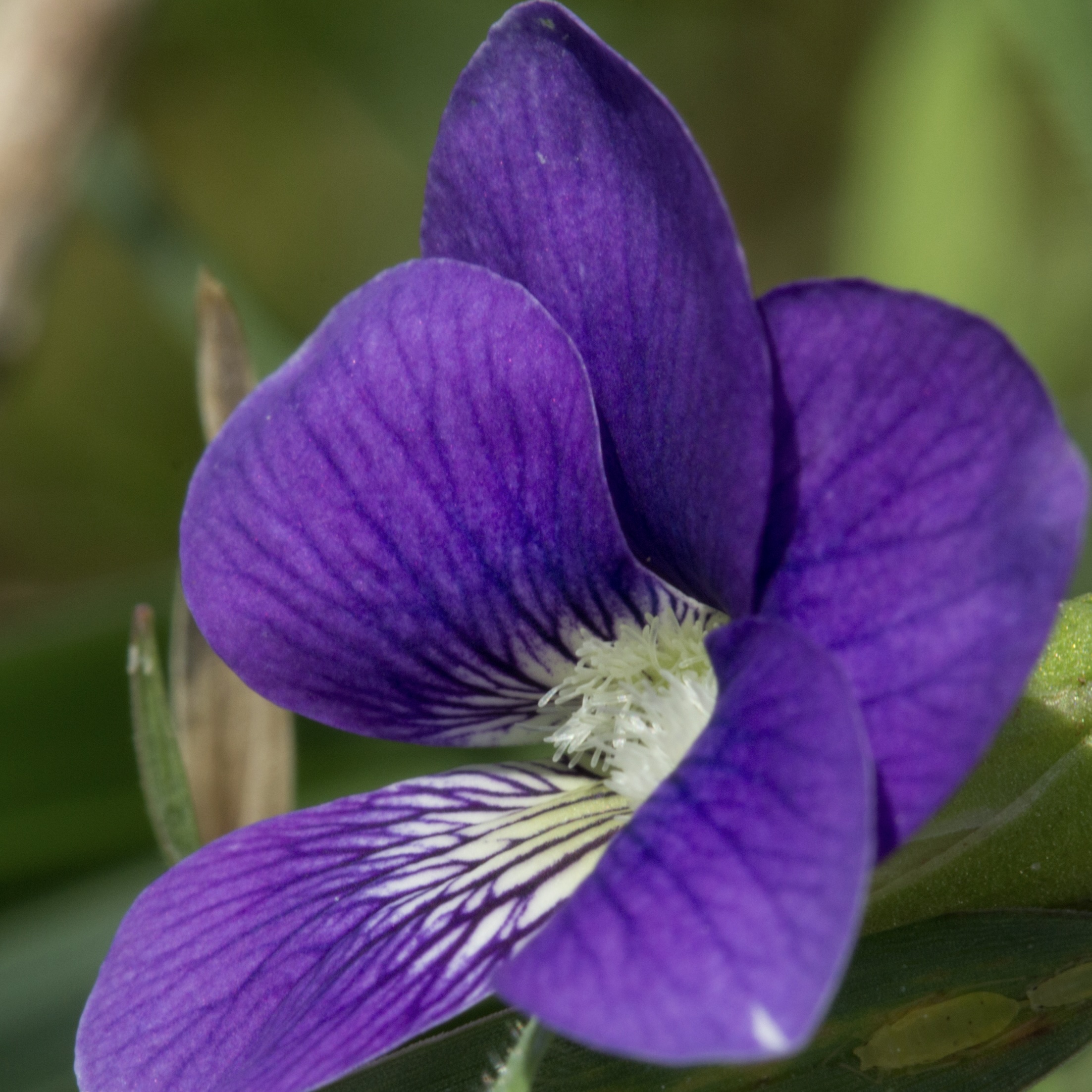
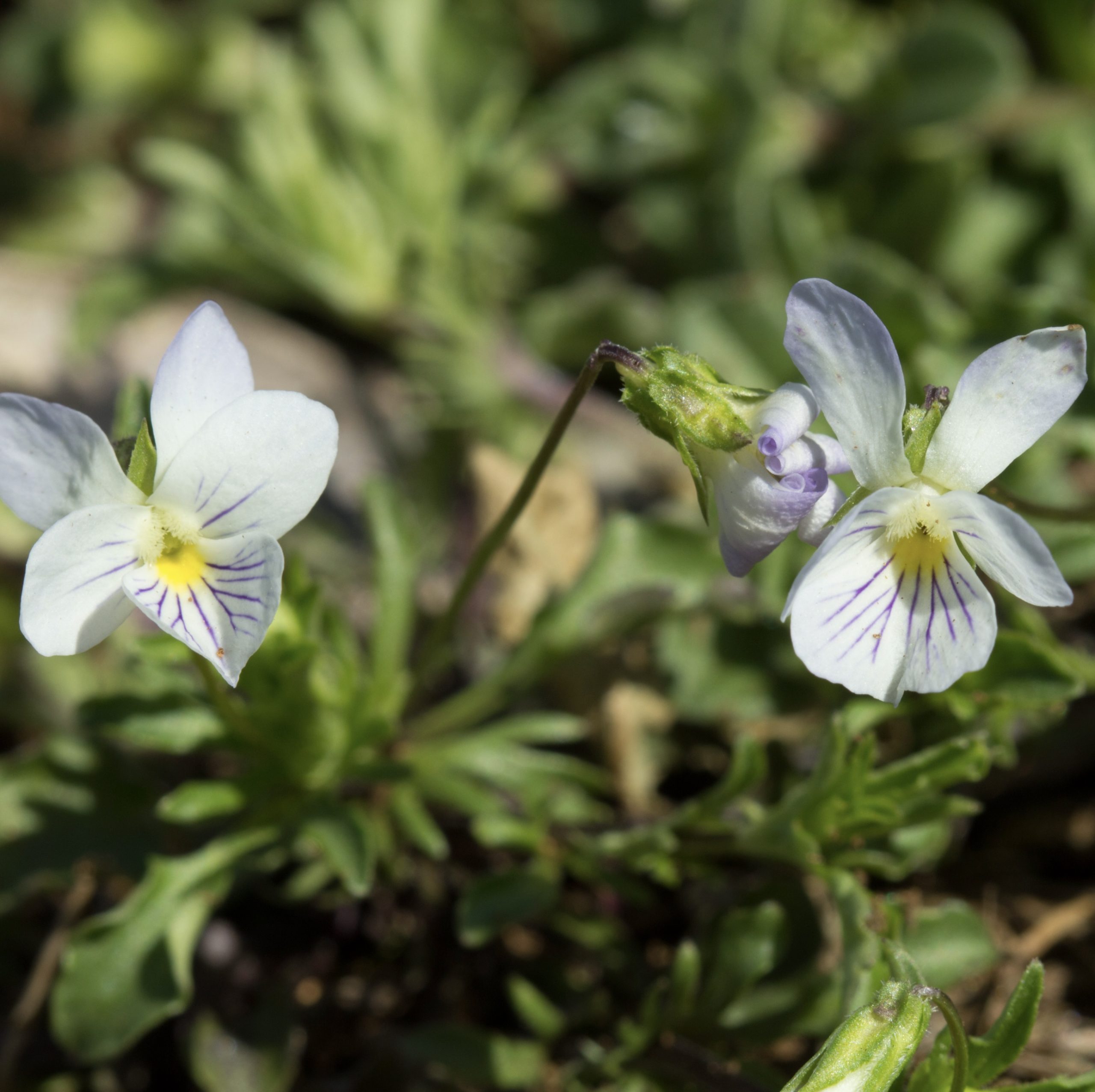
Violets have so many great features that winning support for this sometimes-troublesome plant should come easily. The feature that stands out the easiest to appreciate is the abundance of color. Almost every short walk in the woods at Wintergreen brings you past the dark purple of the common blue violet, the bright yellow of the round-leaf yellow violet or the brilliant white of the Canada violet. The genus Viola is one of the largest flowering plant genera in the world and the variety is showcased in our ecosystem.
Another reason to embrace violets as a beloved spring ephemeral is their importance for our ecosystem biodiversity. They play a key role for pollinators. They flower early in the year when pollinators need options and they flower in abundance. Their nectar and pollen are critical for early season nourishment for fresh emerging insects. They are also essential for development of a variety of fritillary butterfly species that call Wintergreen home. This lovely butterfly will only lay eggs where there is an abundance of violet leaves for larvae to eat. Like monarch butterflies are dependent on milkweed, many fritillary butterflies require violets to survive.
My love for edible plants increases my affinity for violets. Flowers and the young green leaves are edible and quite nutritious. The flowers are great additions to your salad or decorating a cake to add a splash of color. The green leaves should be cooked similarly as you would spinach. They are rich in vitamins A and C and are full of antioxidants. Before eating, make sure your violet source is not an area treated with chemicals and ensure you have the correct identification.
Now that I have shown a few reasons to not dismiss violets as merely a lawn menace, let us focus on a few of Wintergreens finest varieties. My favorite violet is the Canada violet. This violet breaks the stereotypical close to ground growth pattern and can reach up to a foot tall. The elongated heart shaped leaves extend off the ground on long petioles, and the flower is a brilliant white. The flower blooms a bit later than some violets which bloom in early spring. They grow all over Wintergreen but are quite prolific in the Trillium Field. The marsh blue violet is another favorite of mine. It prefers to grow in moist woodland soils. Their blue or purple flowers will emerge in early April and have a unique fuzzy, white “beard” on the two lateral flower petals. A spring walk through the Shamokin Springs Nature Preserve is a good place to check out these “bearded” flowers. Another favorite of mine is the round-leaved yellow violet. This small, high elevation violet is unique because the flowers and leaves grow on separate stems. The green leaves are a bit more rounded and glossier than many other violets. They can be found along our protected areas of the Old Appalachian Trail.
You have officially received permission to embrace violets even if they invade your lawn or garden beds. That does not mean you have to permit them where they don’t belong, but when you pass them this spring, know they offer much to our ecosystem and appreciate their spot in our pantheon of spring ephemerals.