Nine-Minute Naturalist
Flipping a switch
Changes in our natural environment occur as steady as a clock. The trigger for these changes is often day length and when the day length is at the “right” amount, change occurs. We are in the midst of or on the verge of a couple changes that are obvious and Wintergreen residents need to be aware of as you recreate outdoors. This edition of the Nine-Minute Naturalist will discuss the sudden increase in sightings of timber rattlesnakes and the coming interactions with yellow jackets.
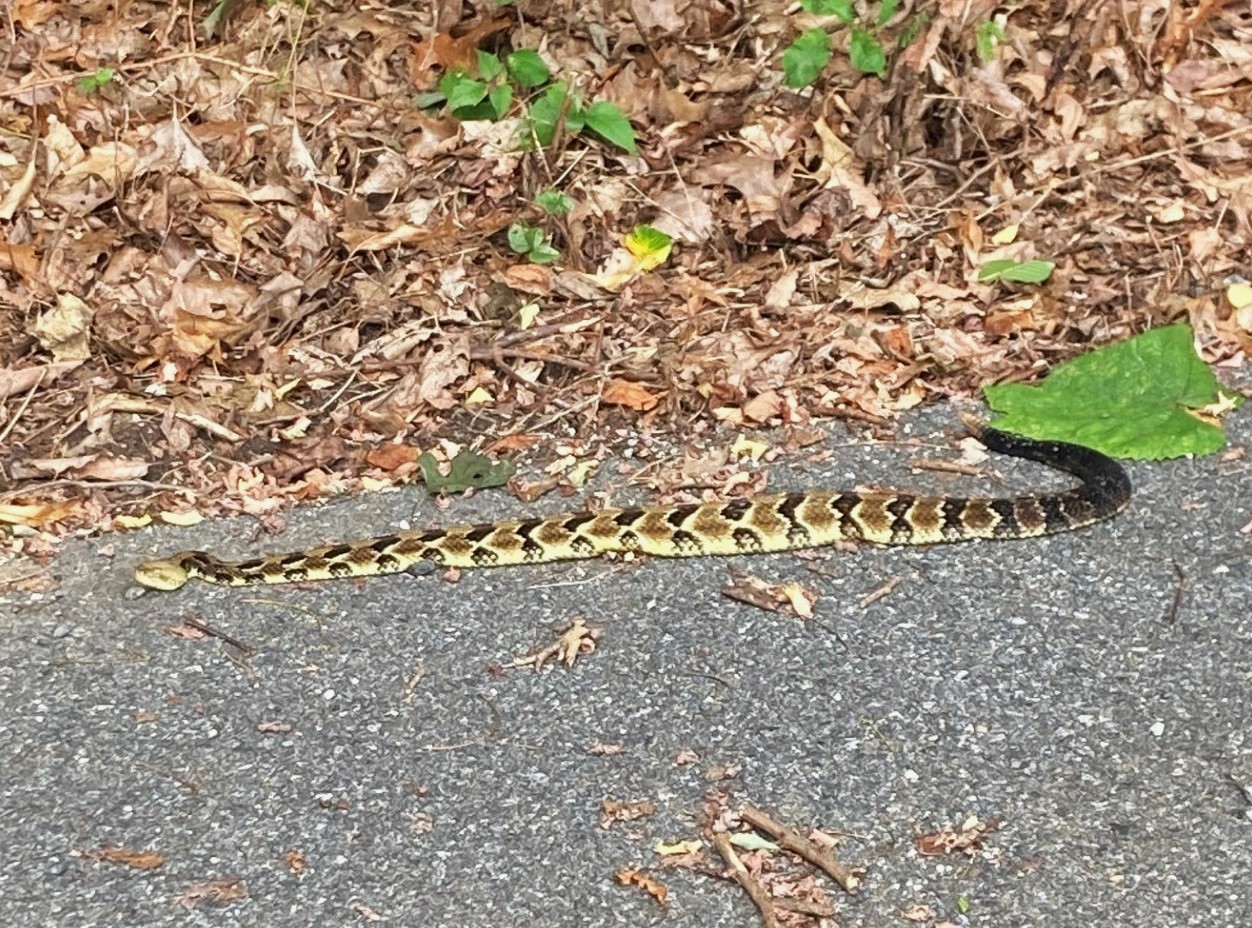
Mid-July at Wintergreen is a key time when nature senses the coming fall and changes start coming fast and furious. One key change to be aware of is the timber rattlesnake breeding season. Timber rattlesnakes have periods of migration. In the spring, they emerge from the den and travel to summer foraging locations. As we progress into July, the mating urge picks up in males, and they begin to seek out females. This marks the largest migration potential of up to 5 miles for males seeking mates. This is the period we are most likely to encounter this venomous reptile.
The timber rattlesnake has a non-aggressive, secretive nature that rarely allows them to interact with humans. This period of seeking a mate is the greatest likelihood of encountering this beautiful snake. You have a couple options if you see a rattlesnake in this key transition time. The first option is to let it go on its way. Its purpose is not to do you harm but to find a mate. If the snake is staying around your home or is in a dangerous situation, feel free to call the Nature Foundation and I will remove the snake if I happen to be available. If the dangerous situation persists and I am not available, call the Wintergreen Police and inform them of the situation. Do not attempt to move the snake yourself. Handling snakes is the surest way to get bit.
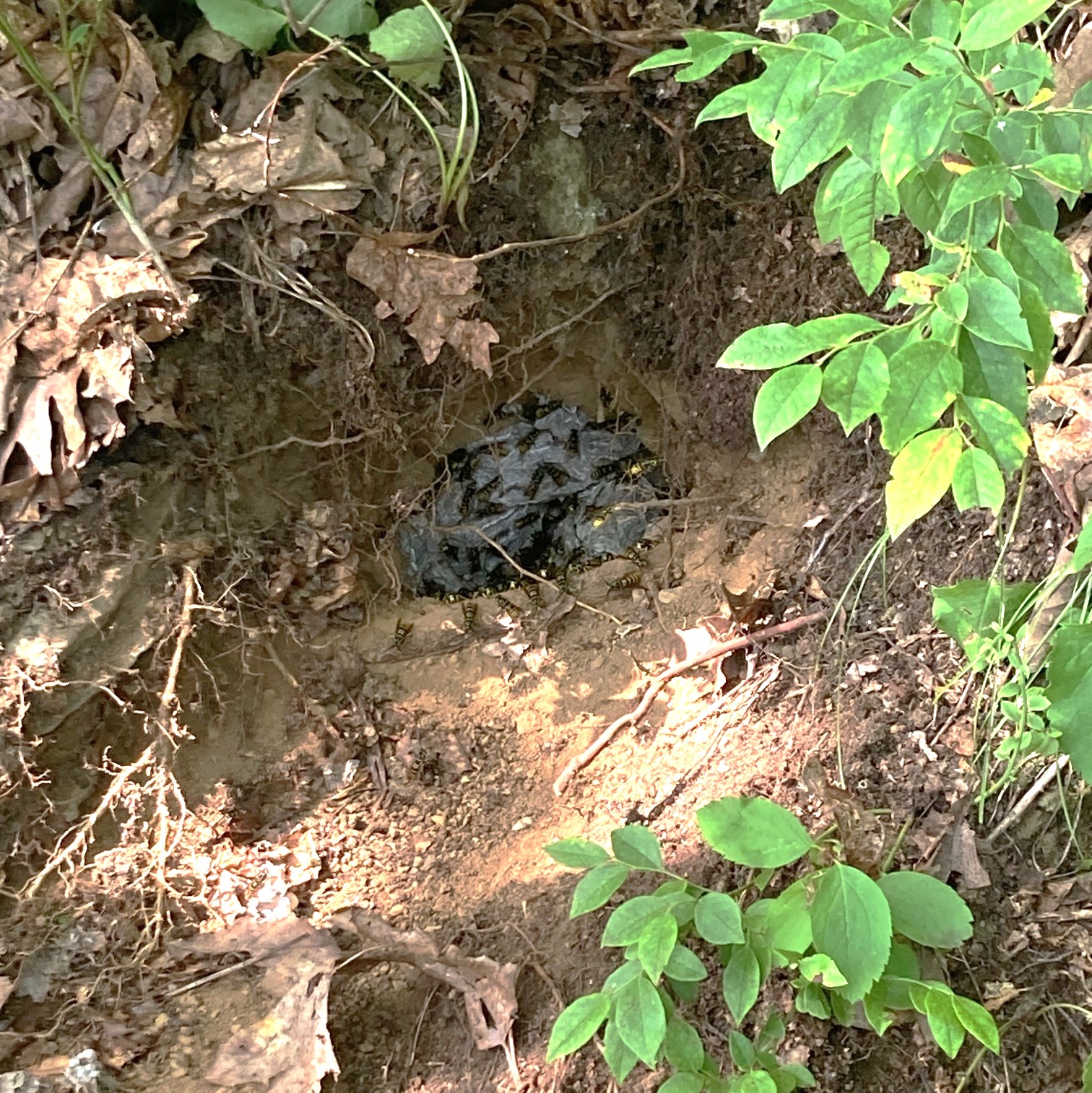
The next major potential hazard while recreating at Wintergreen is yellow jackets. Through most of the summer, worker yellow jackets are focused on building up nests and raising the next generation of queens. These colonies have a set social structure that keeps order when tasks are clearly defined. Early summer, the workers focus on gathering protein in the form of other insects to feed the growing larvae. Their focus is in growing the colony and producing queens. During this phase of the summer, yellow jackets rarely show aggression due to their focus on the tasks at hand.
By late summer, the workers’ (1000-4000 per colony) role and dietary needs begin to change. The first change is in their diet. They focus much more on sugars and fats to increase the fat reserves for the queens. This sends them in search of more human forms of food. Cracking a sugary soda at a cookout and the yellow jackets are bound to show up. The next major change is in their colony roles. The role changes as they have maxed out the colony and the queens are beginning to leave the nest in search of overwintering locations. When she departs, many of the worker yellow jackets leave with her resulting in a horde of homeless, taskless stinging insects.
Another key factor increasing the likelihood of encountering angry yellow jackets is black bears. We have entered a season of increasing activity for bears as they are sensing the need to fatten up for winter. This need coincides with the increase in activity in the queen-less yellow jacket nests. Bears, as well as skunks and raccoons, can get a decent meal of protein by feeding on this protein rich food. Once the nest has been attacked, the surviving wasps are in quite a frenzy and pose a much greater risk to hikers.
These warnings are not meant to discourage you from spending time in the woods at Wintergreen. Just enter the woods knowing that the environment you walk through is changing rapidly as we approach autumn and be cognizant of your surroundings as you enjoy the Wintergreen trail system. If you have any questions or concerns, email me at forestmanage@tnfw.org or call the office at 434-325-8169.