|
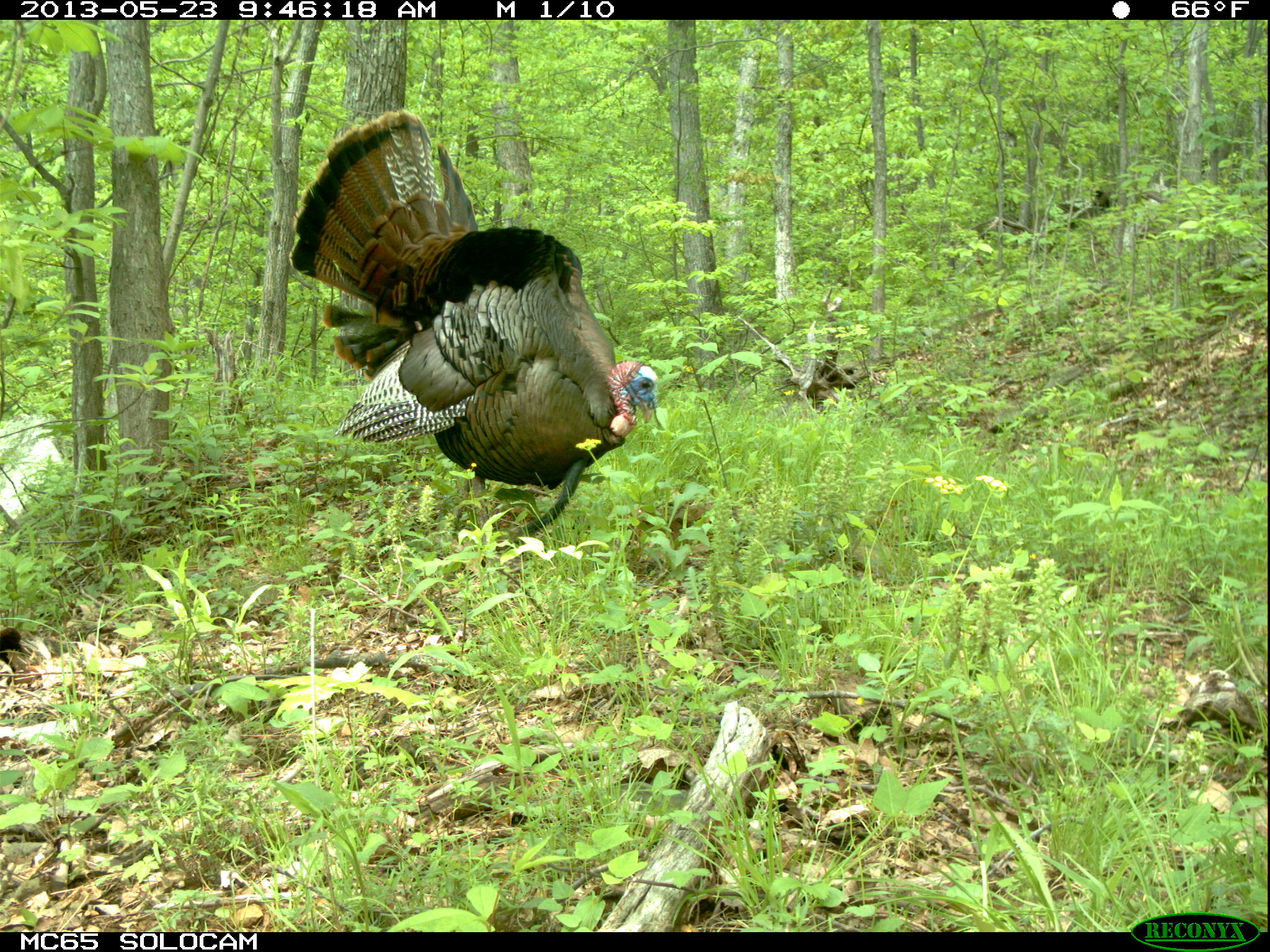
Hunting the elusive wild turkey can be quite the task in mountainous terrain we have at Wintergreen. It is also adventurous to wander the vast numbers of grocery stores seeking the cheapest turkey (the answer is 29 cents per pound at Food Lion). While one tradition is a bit harder than the other, Thanksgiving and turkey are forever linked. This Nine Minute Naturalist will delve into what makes wild turkey fascinating and how it got linked to the Thanksgiving feast.
Wild turkey are enthralling animals that deserve to be the centerpiece of a major holiday. When early settlers arrived in Virginia the landscape was full of these elusive fowl. They were a staple of the settler diet and became an animal that was hunted professionally to supply food markets. Add in the clearing of land for agriculture and the population crashed. Thanks to the “Robin Bill” in 1912, wild turkey sales were prohibited in open markets. An aggressive restocking program was initiated and today Virginia is estimated to be home to over 180,000 turkeys. The highest populations are coastal plain of Virginia.
What makes turkey so interesting is their contradictory nature. They can fly but spend most of their time on the ground. While they do fly into trees to roost at night, this animal is a profound vagabond of the mountains. They come down from roost at daybreak and spend the rest of the day roaming the forests, leaving behind their tell-tale sign, the “turkey scratch.” When you come across leaves scattered about and the forest floor exposed, turkeys have been at work looking for food. They are omnivores that eat nuts, berries, grains, roots, insects and small reptiles and amphibians. Acorns play a major part of their diet and greatly influence reproduction capacity year to year. They are not picky eaters and will eat some of the acorns not preferred by deer and bear.
Another contradiction is the apparent vulnerability of a ground-based bird yet they have superb defenses. Turkey has incredible eyesight and hearing. Combine that with the ability to run 20 mph and fly over 50 mph, these birds are tough for any predator to attack. They are also endowed with sharp spurs able to inflict injury to predators. Their feathers, a mottled brown and grey, act as wonderful camouflage on the forest floor. Their main predators at Wintergreen are coyote, bobcat, fox, hawks, and owls.
Despite these incredible defenses, turkeys became a primary dish served at our Thanksgiving Day feasts. There is no evidence turkey was a part of the first Thanksgiving feast but they would have been an option. The colonies long time governor William Bradford was quoted as referring to “a great store of wild Turkies [sic]” around 1621, which would seem to indicate the bird was on the plates of settlers around the first communal feast. The term “fowl” was used in reference to the first Thanksgiving. While it could include turkey, it probably referred to duck and geese.
The linking of turkey and Thanksgiving is credited to Sarah Josepha Hale, known as the mother of Thanksgiving. Her novel Northwood included a chapter on Thanksgiving celebrations in New England, with turkey as the center of her ideal Thanksgiving meal. She used her influence as editor of Godey’s Lady’s Book to sway politicians towards a national holiday. Abraham Lincoln made it official in 1863 naming Thanksgiving a national holiday.
Whether you hunt your bird in the hills of the Blue Ridge or on the shelves of Kroger, turkey is a worthy bird to use as a centerpiece of a holiday. Make sure to keep an ear out for their distinctive gobble or an eye out for turkey “scratch” as you wander the woods of Wintergreen.
|